




Background
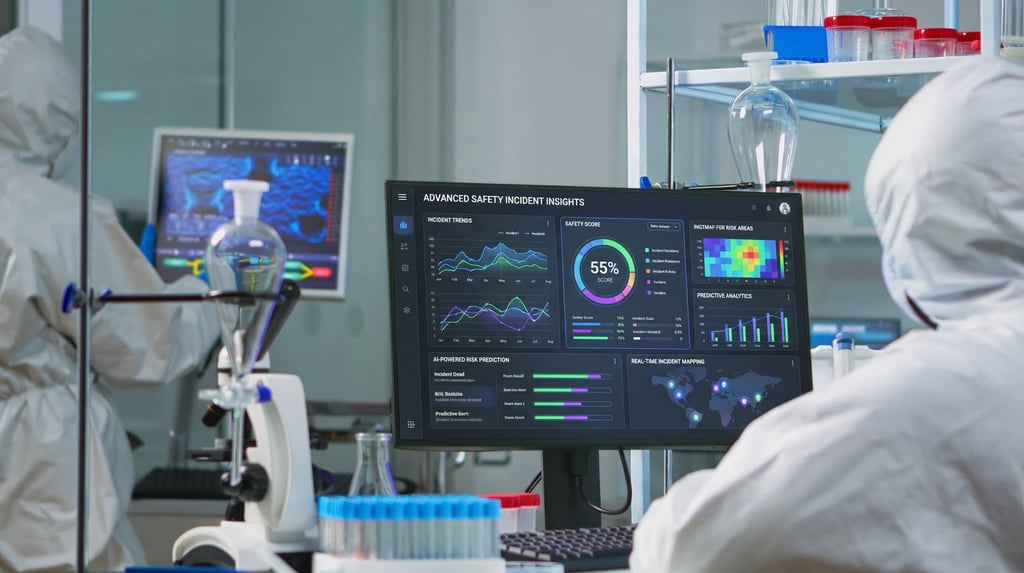
A global pharmaceutical manufacturer wanted to launch an initiative to proactively reduce safety incidents across its operations. They were looking to implement an enterprise AI platform that could analyze safety incident data across their network footprint and uncover patterns, trends, and leading indicators that were not visible through traditional reporting and manual analysis.
We partnered with them to integrate large language models (LLMs) and machine learning techniques into their enterprise data lake for safety incident data. By doing so, we helped the organization shift from reactive incident management to predictive, insight-driven safety improvement. The solution enabled leaders to build data driven prevention strategies and drive more effective preventative actions.


Company size
Revenue
Manufacturing sites
4,000+ employees
$1B+
5+ globally located
The Challenge
Traditional safety reporting focused primarily on lagging indicators and site-level metrics, limiting visibility into trends that spanned multiple locations or emerged gradually over time. As a result, leadership struggled to identify systemic risks—such as recurring behaviors, environmental conditions, or process weaknesses—that contributed to incidents across the network. Manual analysis methods also made it difficult to correlate contributing factors across incidents or detect weak signals that could indicate future risk.
Safety incident data was highly fragmented across geographies, business units, and systems, with each site capturing incidents, near misses, and corrective actions differently. Data existed in a combination of structured fields (incident type, location, severity) and unstructured narrative text (incident descriptions, investigation notes, lessons learned). While narrative data contained critical context, it was largely underutilized due to the effort required to analyze it at scale.
The organization also needed a solution that could scale globally while respecting data privacy, governance, and regional reporting requirements. Isights had to be explainable and actionable for safety leaders and operational teams; advanced analytics without clear interpretation risked low adoption and limited impact on real-world safety outcomes.

Timeframe
Scope
Deliverables
4 months
Comprehensive digital maturity assessment across 5 + sites
Executive readouts
Detailed scorecards
Recommendations
Our approach
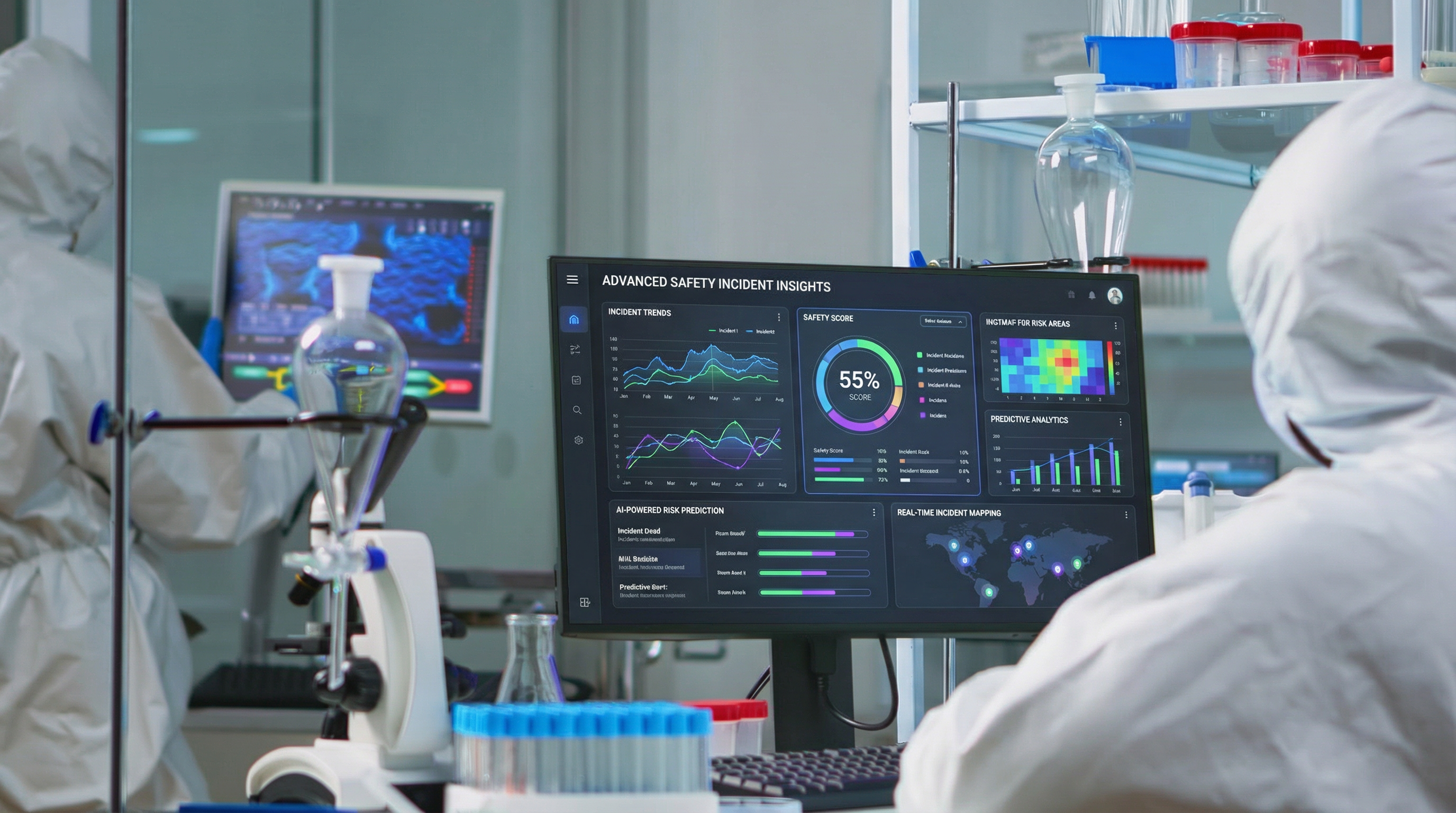
We supported the design and implementation of an enterprise AI safety platform that combined machine learning models and LLMs to transform global safety incident data into actionable intelligence. The platform integrated data from multiple regional and site-level systems into a harmonized data layer; creating a single, enterprise-wide view of safety incidents, near misses, and corrective actions across the entire network footprint.
Machine learning models were used to identify trends, correlations, and leading risk indicators across time, locations, and incident types. In parallel, LLMs analyzed unstructured incident narratives to extract themes, contributing factors, and behavioral patterns that were not captured in structured fields. This enabled the platform to surface insights such as:
Recurring safety risks linked to specific tasks or environmental conditions across multiple sites
Patterns of near misses that consistently preceded higher-severity incidents
Common behavioral or procedural breakdowns described in incident narratives but not formally categorized
Cross-site similarities in root causes that indicated systemic process or training gaps
We worked closely with safety and operational stakeholders to ensure insights were delivered in a clear, decision-oriented format. The platform provided cross-site dashboards, thematic summaries, and AI-generated narratives that highlighted emerging risks and prioritized areas for intervention. By connecting insights across the global network, leaders were able to proactively target preventative actions, share learnings across sites, and focus resources where they would have the greatest impact. This AI-driven approach enabled a shift from reactive incident response to a proactive, predictive safety model, strengthening the organization’s ability to reduce safety incidents at scale.

Assessment approach
Framework
Phases
Hybrid: In person and virtual assessments
Biotech industry standard assessment tailored to meet the client needs
Site preparation
Assessment
Executive readouts
Key Client Successes
<>
Want to discuss more or see how we can help?
Contact us for a personalized discussion and see how we can help
Contact Us


Turn partnership into transformation
Socials

Services
Legal
Learning Series
Artificial intelligence (coming soon)
Digital manufacturing in biotech (coming soon)